
Divine Hijama

Full 1
The Best of Your Remedies is Hijama.

The Prophet Muhammad ﷺ called it the best treatment. We bring that Sunnah to life — with clinical precision, sterile practice, and deep Islamic grounding. In [your city].

Full 1
previous arrow
next arrow

Divine Hijama

Prophetic Medicine. Clinical Practice. Genuine Healing.

Divine Hijama is rooted in a single conviction: the Prophet Muhammad recommended Hijama as one of the greatest remedies and that recommendation is as relevant today as it was fourteen centuries ago. We practise Hijama the way it was intended with authenticated Islamic foundations, rigorous clinical hygiene, and a practitioner who understands both the spiritual significance and the physiological mechanism of every cup placed. Whether you are seeking relief from chronic pain, a seasonal detox aligned with the Sunnah days, or a path into Hijama practice yourself this is where that journey begins.

OUR BlOG

Sunnah Remedies

There are four main areas of resource on our website.

Hijama Therapy

Hijama Therapy

Hijama, also known as cupping therapy, is an ancient healing practice that dates back thousands of years and is rooted...
Read More
What is Hijama?

What is Hijama?

Learn about different types of cupping, medical studies into Hijama and the numerous health and well-being benefits of Hijama. What...
Read More
What is Hijama Cupping Therapy? 3

What is Hijama Cupping Therapy? 3

Defining Cupping In any conversation about 'Cupping' - it is important to first distinguish which type of Cupping we are...
Read More
What is Hijama Cupping Therapy? 2
What is Hijama Cupping Therapy? 2

Defining Cupping In any conversation about 'Cupping' - it is important to first distinguish which type of Cupping we are...
Read More
Therapists Certified
and counting
0
Countries we
have trained therapists.
0
Distance learning
students
0
Years
established
0

Divine Hijama

What is Hijama Therapy?

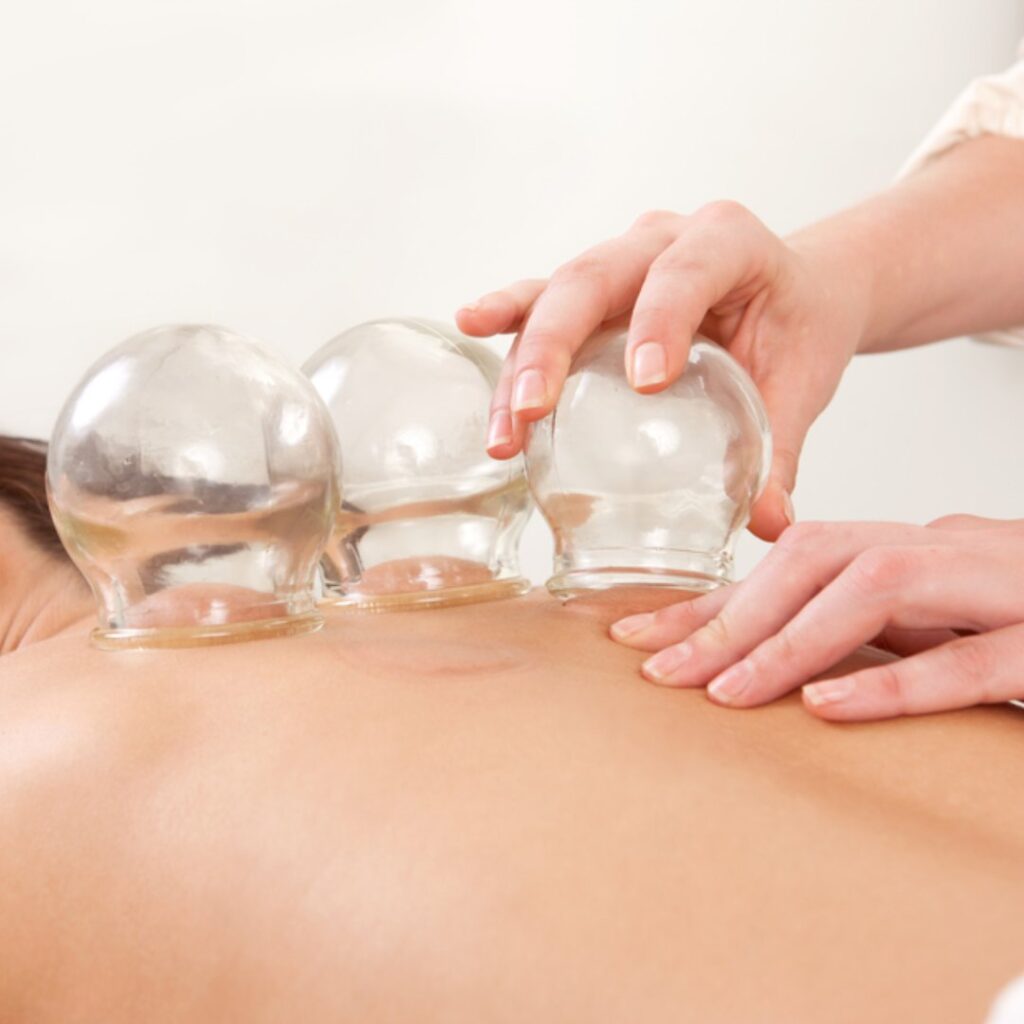
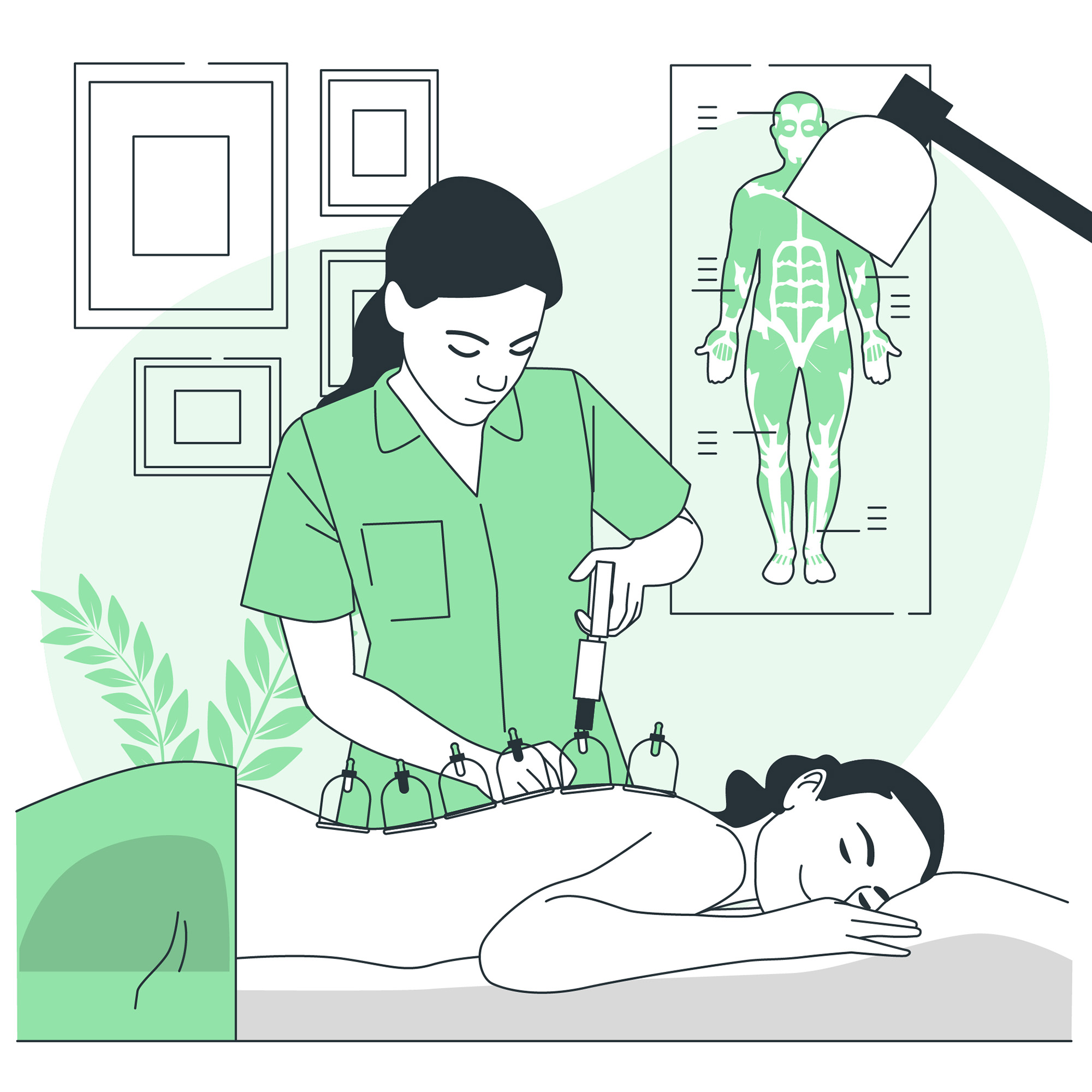
Hijama — from the Arabic meaning “to draw out” — is the practice of placing cups on specific points of the body to create controlled suction, followed by superficial incisions to draw out stagnant blood from the local tissue. It is one of the oldest documented healing practices in human history, recorded in Egyptian, Chinese, and Greek medical traditions, and elevated to the status of Sunnah by the Prophet Muhammad. At a physiological level, the suction created by the cups increases blood flow to the treated area, stimulates the microcirculation, and creates a local response in the skin, fascia, and underlying tissue. In wet cupping, superficial incisions allow the withdrawal of a small amount of blood, relieving localised stagnation. The skin marks left after cupping — which fade within days — reflect the degree of local congestion and circulatory activity in that area. A Brief History Cupping has been documented across civilisations for over 5,000 years. Egyptian Ebers Papyrus (circa 1550 BCE) references suction-based therapy. It was practised extensively in Greek, Chinese, and Arab medical traditions. In Islamic medicine, it was adopted and elevated through Prophetic endorsement — the Prophet ■ himself received Hijama, most notably on his head at Al-Yafukh for a migraine while in a state of ihram, as recorded in Sahih al-Bukhari 5701.

A Brief History and Islamic Perspective

Historical Roots

Cupping therapy dates back thousands of years, practiced by various ancient civilizations, including the Egyptians, Chinese, and Arabs.

Prophetic n (Sunnah)

In Islam, Hijama holds a special place. Numerous hadiths (Prophetic sayings) highlight its benefits. It is regarded as a Sunnah (Prophetic practice) that not only supports physical well-being but also nurtures spiritual health.

Types of Hijama

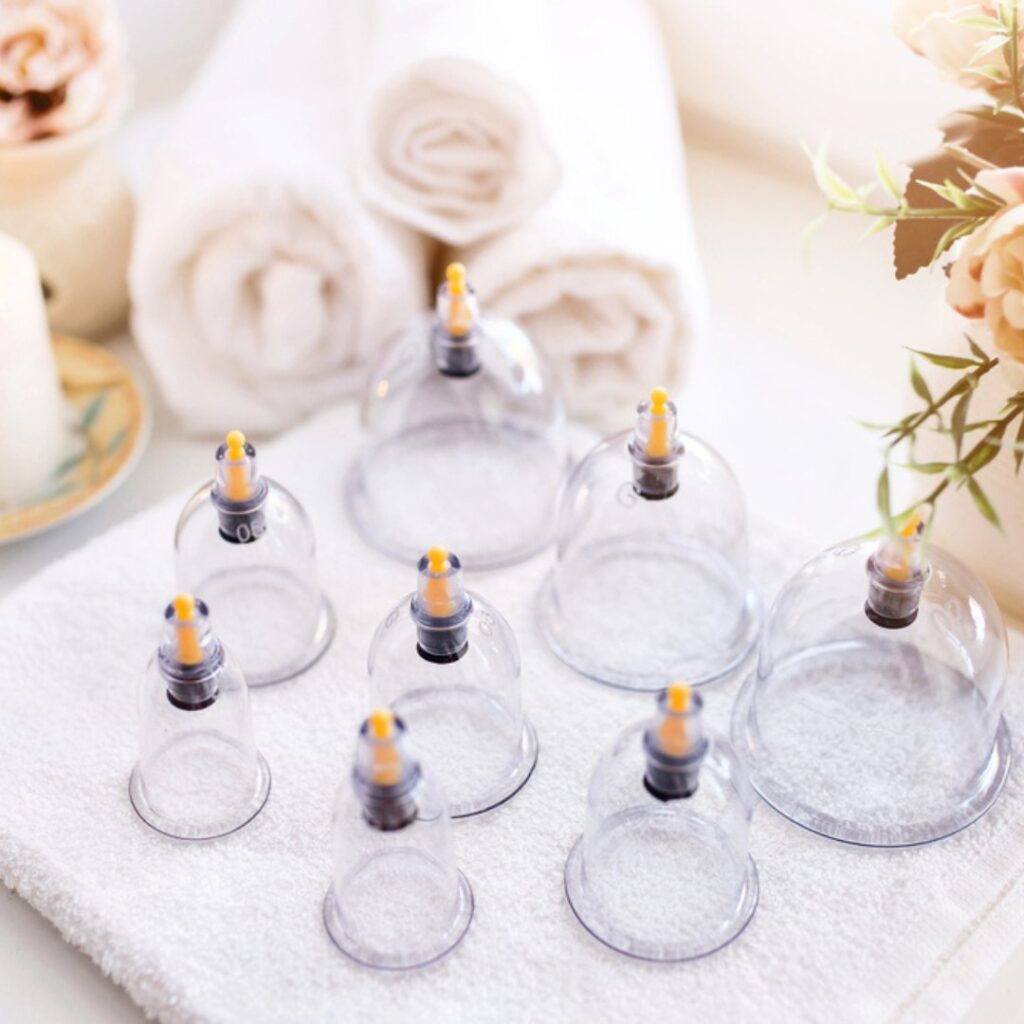
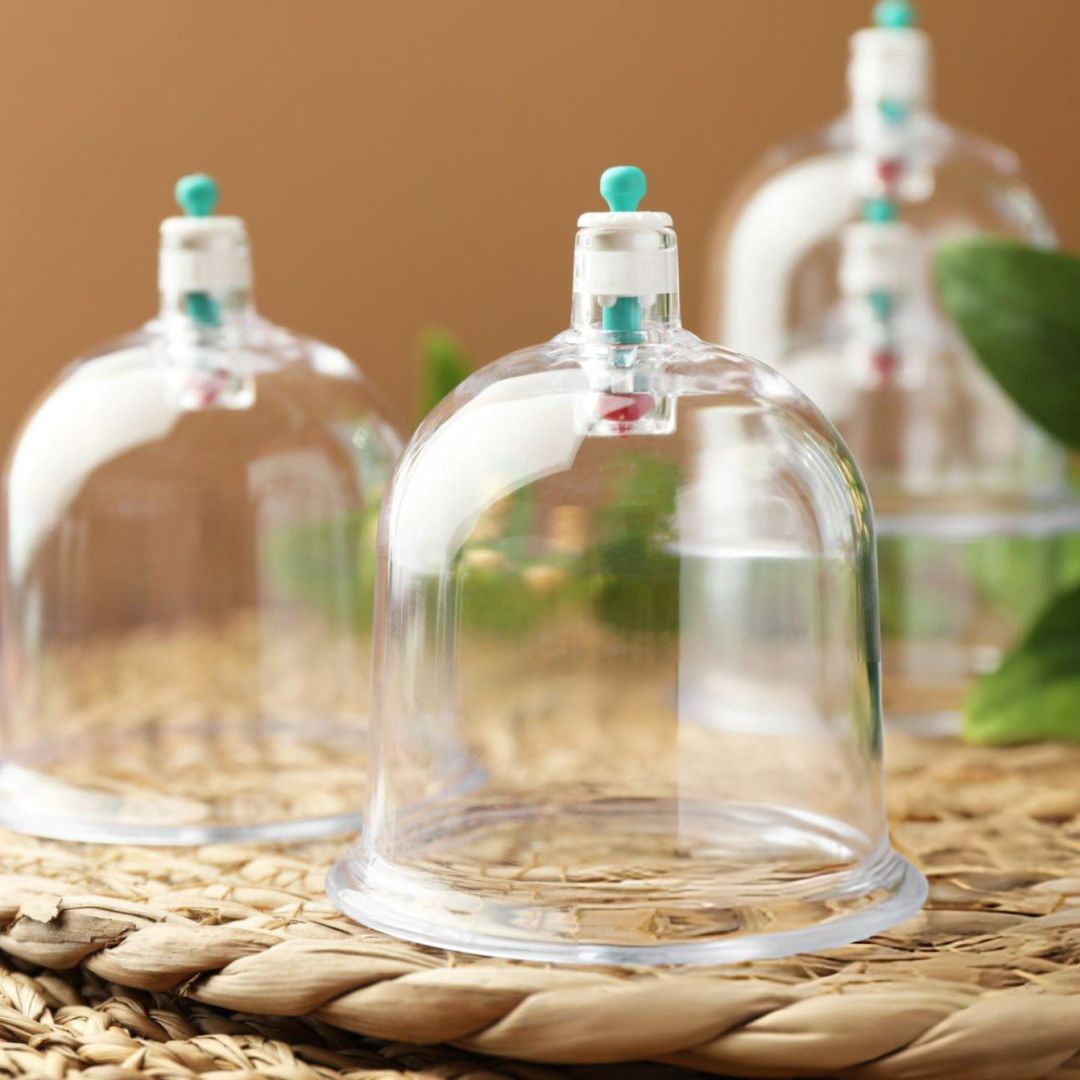
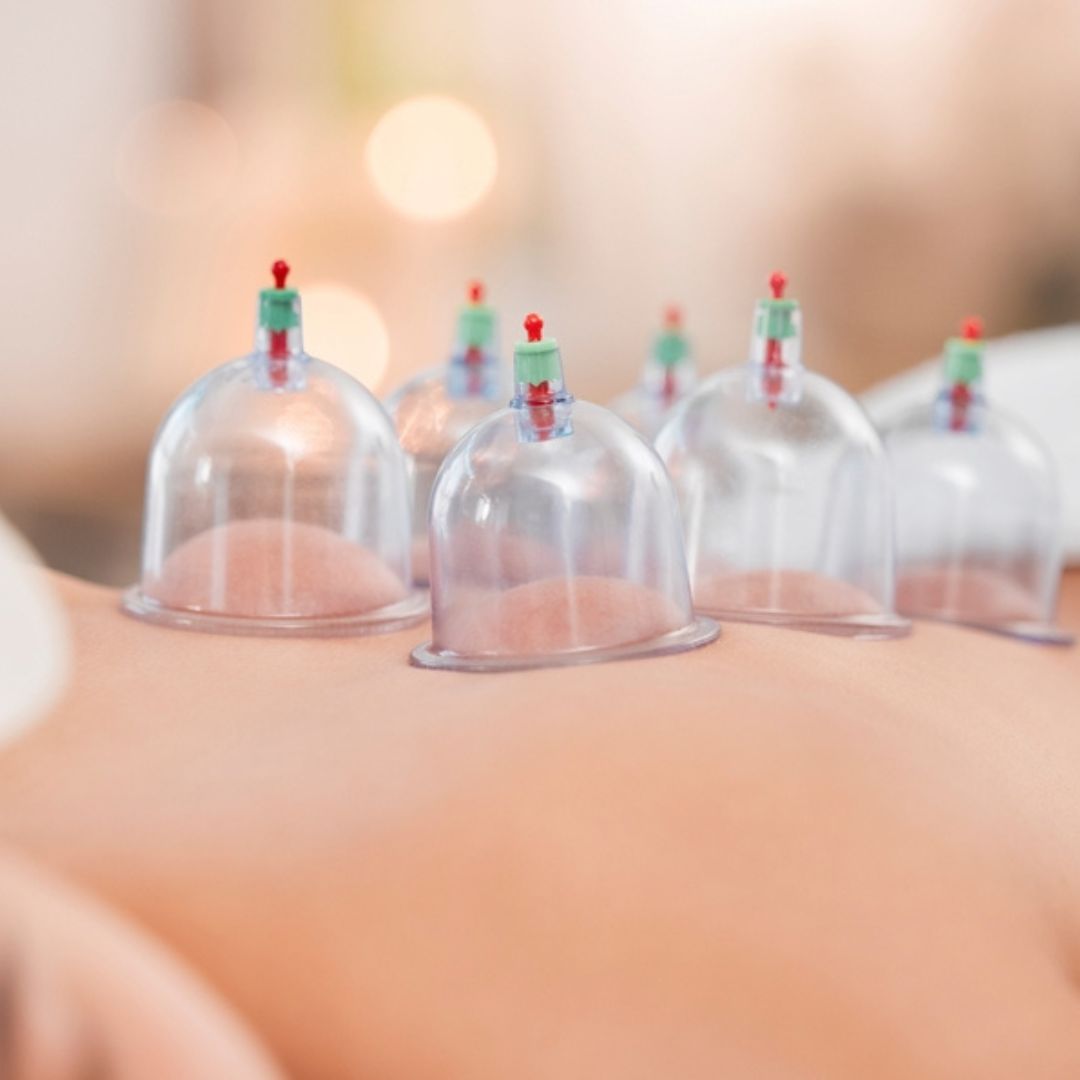
Dry Cupping

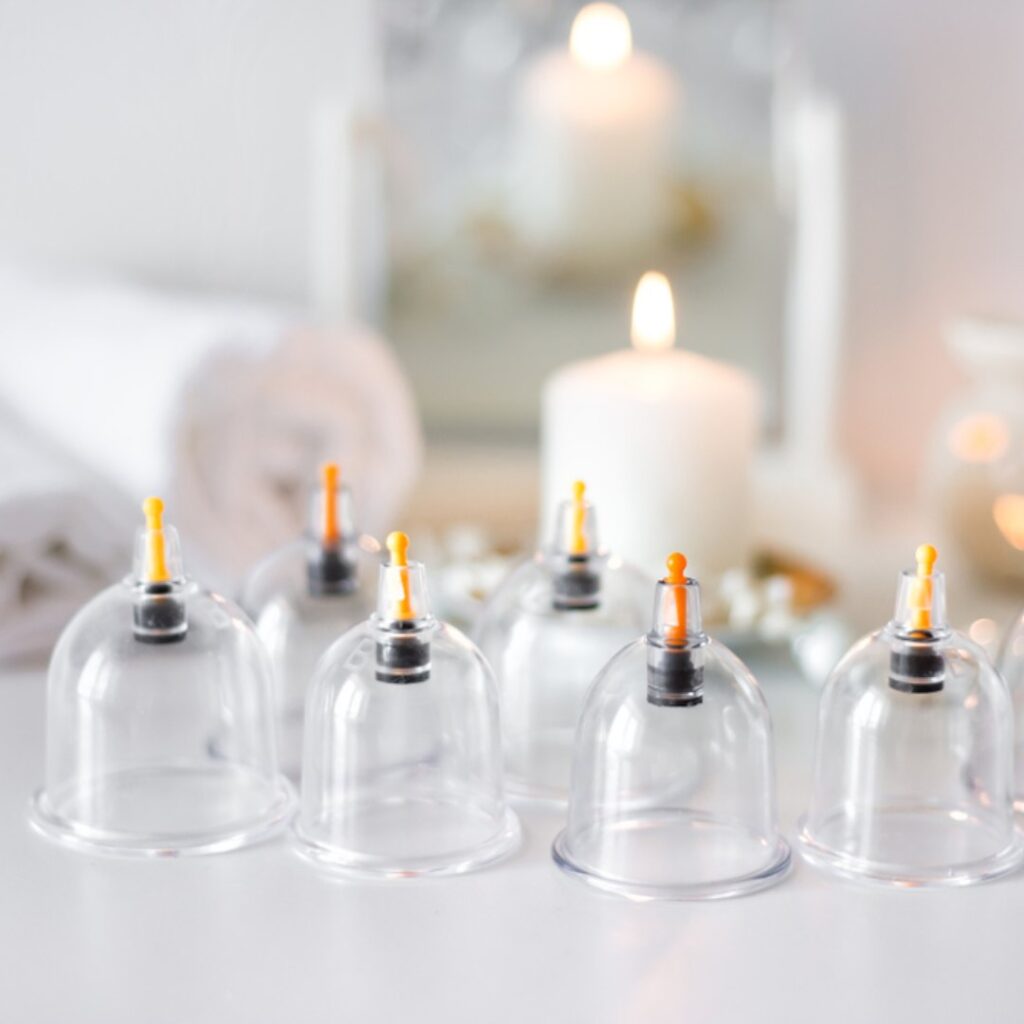
Cups are placed on the skin and a vacuum is created using a suction pump. No incisions are made. Dry cupping stimulates blood flow, relaxes tight muscles, and relieves tension in the treated area. Suitable for first-time clients, those with needle sensitivity, and as a general wellness treatment. Also used when wet cupping is contraindicated.
Wet Cupping

"The primary Sunnah method — endorsed by the Prophet ﷺ. Following an initial dry suction phase, small superficial incisions are made with a sterile blade, and cups are reapplied to draw out a controlled amount of blood. Targets localised stagnation and supports circulation. Indicated for chronic pain, migraines, and hypertension. Note: the word 'toxic' has been removed — the accurate term is 'stagnant blood at the local tissue level.

Massage Cupping

Cups are moved across oiled skin in long strokes, combining suction with gliding pressure. Particularly effective for tight muscles, back tension, and poor circulation. Well-suited as an introductory session or for clients seeking muscular relief without incisions.
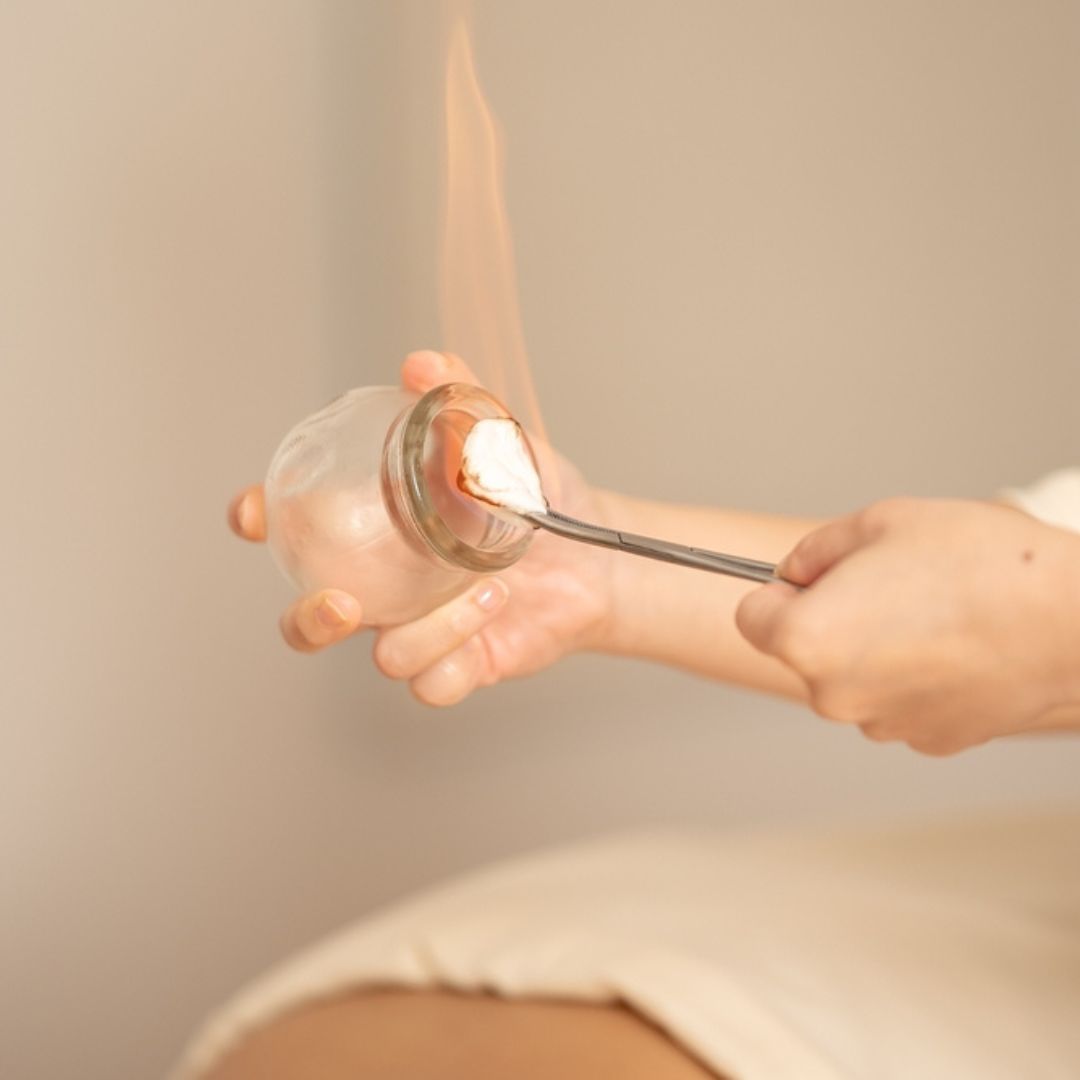
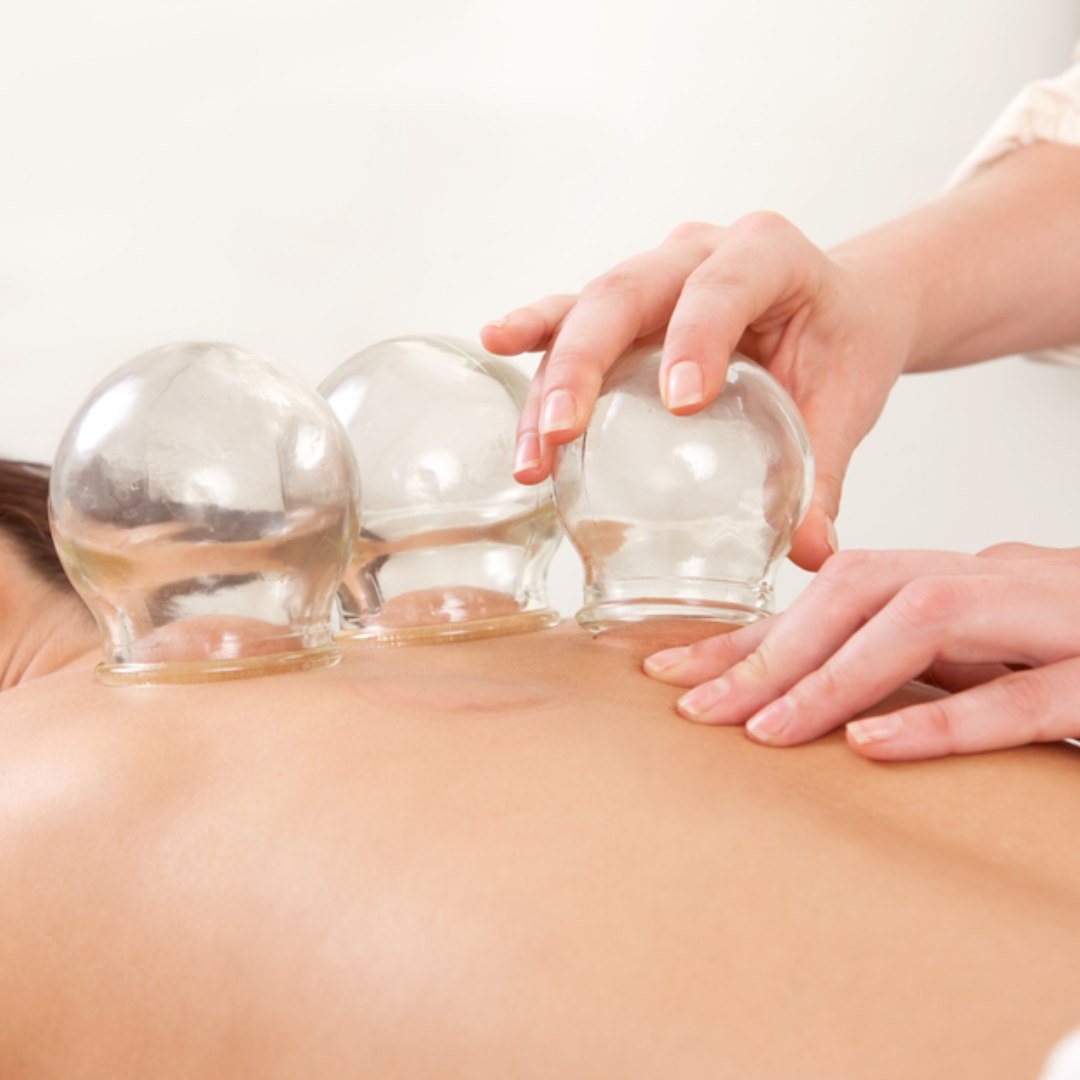
Fire Cupping

A traditional method in which a flame briefly heats the air inside a glass cup before placement. While historically significant, Divine Hijama uses precision pump-suction cups as the standard — offering consistent, controllable, and safer vacuum pressure for every client.
Why Choose Divine Hijama?

Clinically Trained. Islamically Grounded.

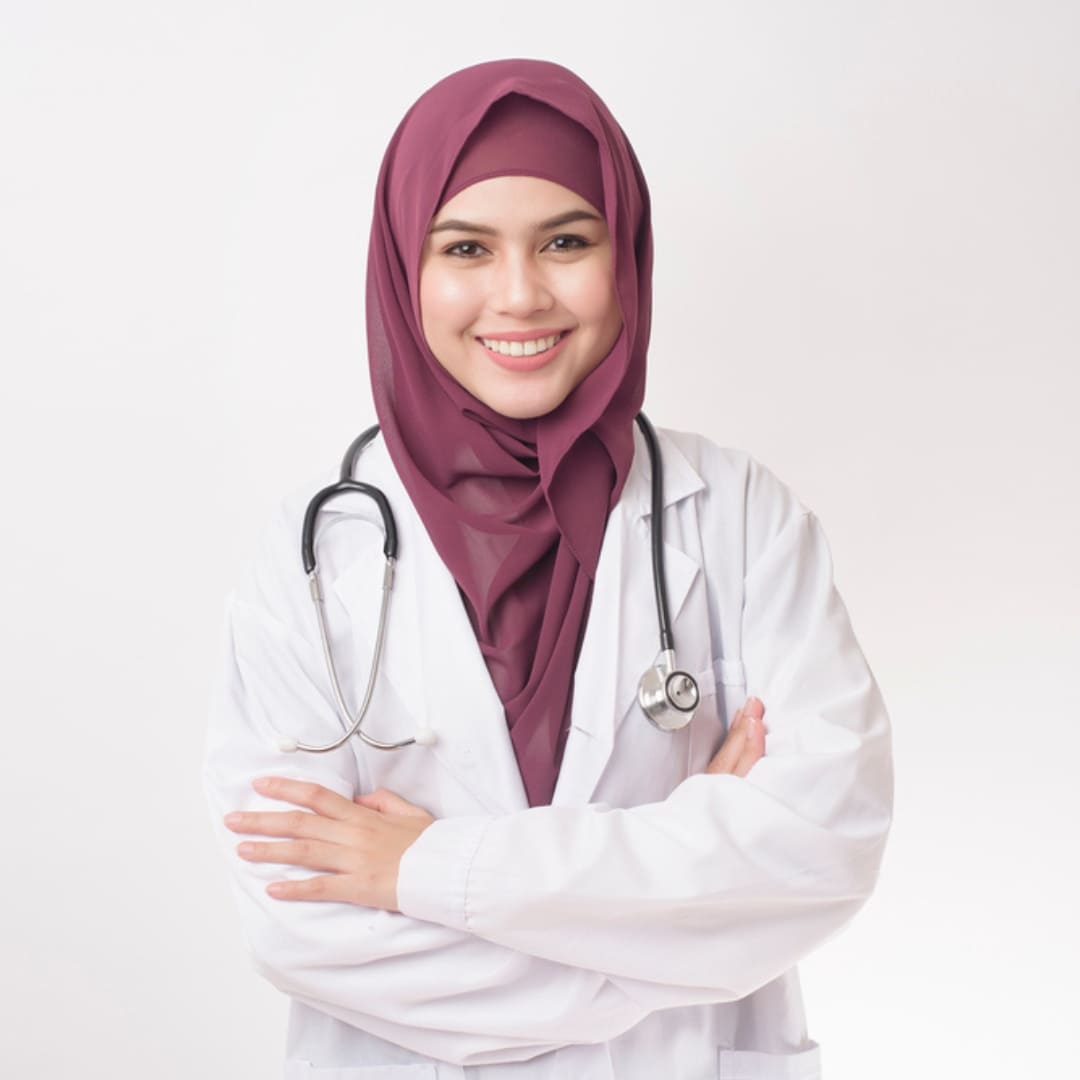
Dr. Arman Aghwani has undergone formal Hijama certification covering anatomy and physiology, clinical safety protocols, infection control, and Sunnah-based point location. Every session follows QHSE-aligned hygiene standards: single-use sterile blades, disposable cups, full PPE, and a properly prepared clinical environment.
"Every Session Begins With a Consultation.

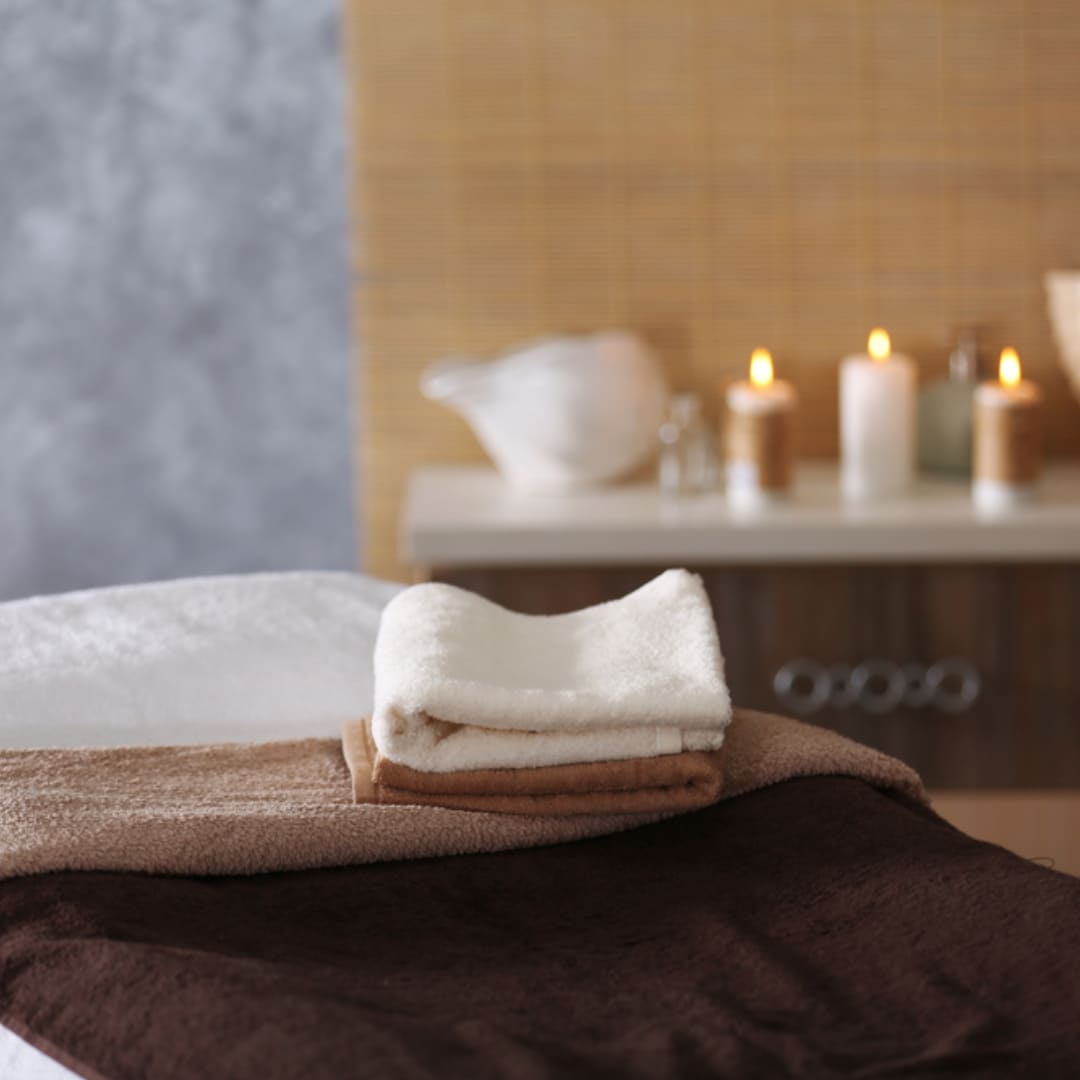
No two bodies are the same. Before any cup is placed, we conduct a full intake assessment — your medical history, presenting complaint, current medications, and any contraindications. Treatment points are then selected based on your specific condition, not a fixed template. This is Hijama practised as a clinical discipline.

Practising What the Prophet ■ Recommended.

Our practice is built on authenticated Hadith — not cultural tradition or secondhand knowledge. We align sessions with the Sunnah days (the 17th, 19th, and 21st of the Islamic lunar month, as endorsed in authenticated narrations), apply the Sunnah points as described in Hadith, and recite the appropriate adhkar before and after each session. Islamic correctness is not an add-on here. It is the foundation.
"Your Dignity Is Non-Negotiable.

We maintain strict gender-appropriate care: female clients are seen by a female practitioner [note: add when available] or with a chaperone present, in a fully private setting. Full modesty is observed throughout every session. Written consent is taken before we begin. You are never rushed, never unexplained to, and never left without a clear aftercare plan.

"Your Dignity Is Non-Negotiable.

We understand that true healing requires absolute comfort, privacy, and Haya. All Hijama sessions for our female clients are performed exclusively by our highly trained, certified female practitioners in a completely private and secure environment.
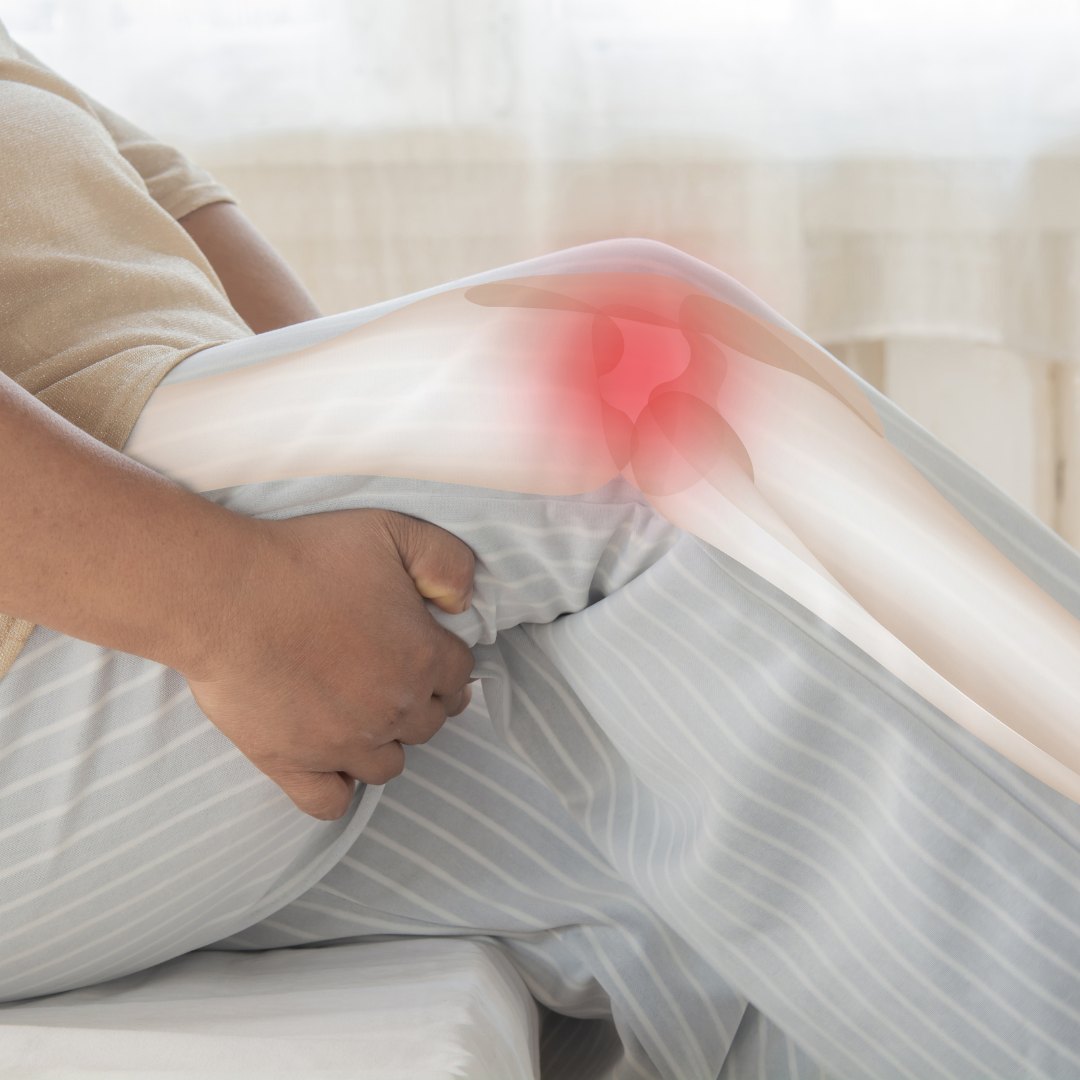
Benefits of Hijama Therapy

Physical Benefits
  • Relief from Chronic Pain

    The suction created by cupping increases localised blood flow, reduces muscular tension,
    and stimulates the nervous system’s pain-inhibition pathways. Clinical studies — including
    a 2012 systematic review in PLOS ONE — found cupping therapy produced significant
    reductions in pain scores across multiple conditions including back pain, neck pain, and
    fibromyalgia.

Improved Circulation and Tissue Recovery
Cupping draws blood to the surface, stimulating microcirculation in the capillary network
beneath the skin. This supports tissue recovery, reduces localised congestion, and may
assist in faster healing of strained or inflamed areas.

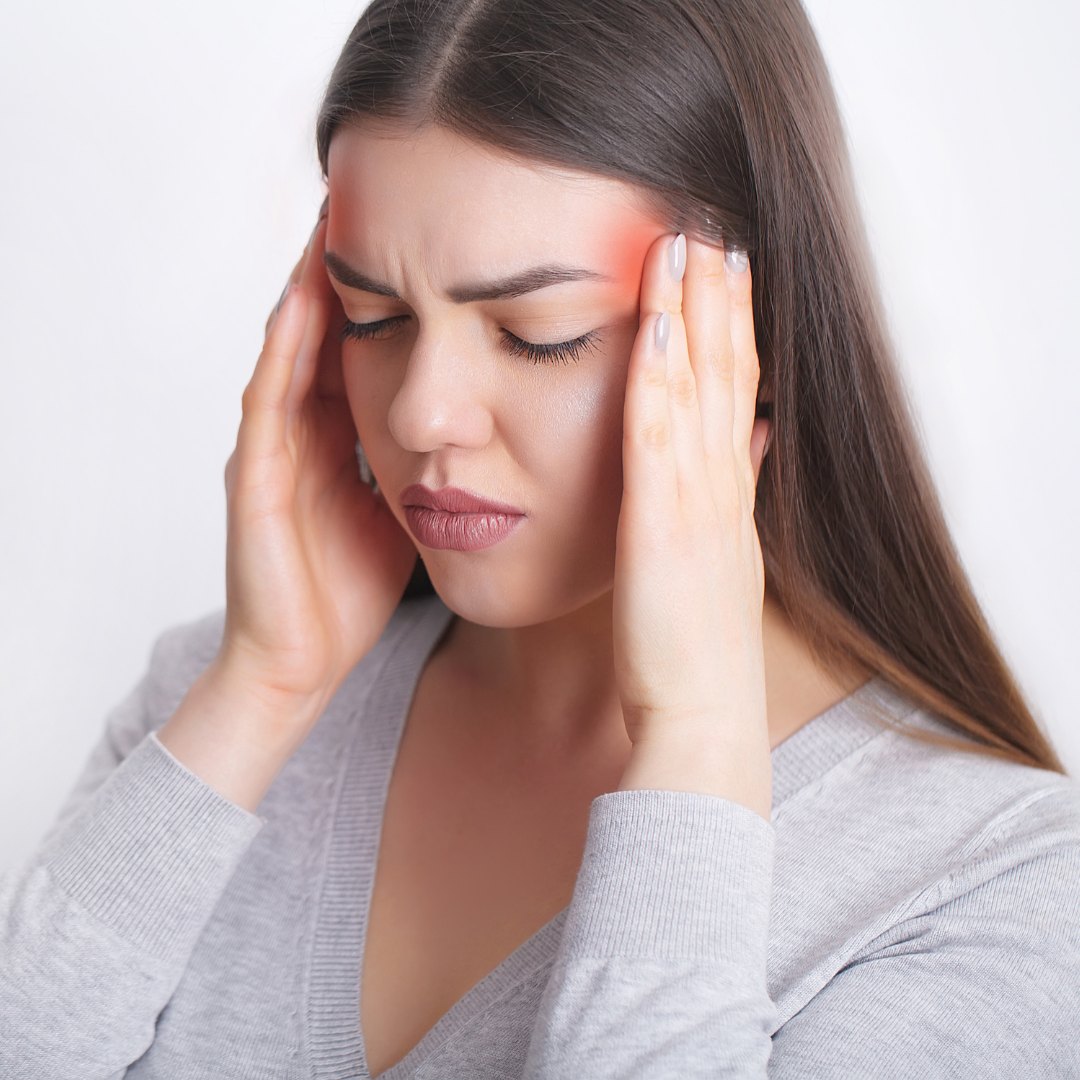
Migraine and Headache Relief
Hijama at the occipital region and Sunnah points has been associated with significant
reduction in migraine frequency. The Prophet ■ himself received Hijama at Al-Yafukh (the
crown of the head) while experiencing a severe headache — recorded in Sahih al-Bukhari
5701.
Musculoskeletal Support
Sliding and static cupping releases myofascial tension — the connective tissue layer
between skin and muscle — providing relief from stiffness, reduced mobility, and postural
pain patterns. Effective for shoulder, neck, and lumbar presentations.

  • A Practised Sunnah
    Performing Hijama on the Sunnah days — the 17th, 19th, and 21st of the Islamic lunar
    month — is described in authenticated narrations as a remedy for every disease, by the
    will of Allah. Reviving this practice is an act of worship in addition to an act of healing.
    Integration with Ruqya
    For those experiencing spiritual distress, we combine Hijama with Ruqya Shar’iyyah —
    recitation of specific Quranic verses and authenticated duas — as a complete prophetic
    healing approach.
    Tawakkul and Trust in Allah
    All outcomes are by the permission of Allah. Hijama is a means; the Shifa’ (healing)
    belongs to Him alone. “For every disease there is a cure, so if the medicine meets the
    disease, it cures it by the will of Allah, the Most High.” [Sahih Muslim 5741]
  • Modern Research: Various clinical studies suggest cupping can help with pain management, mobility, and inflammation reduction.
  • Prophetic Endorsement: Multiple hadiths emphasize the virtues and healing power of Hijama, making it a respected therapy in Islamic medicine.

Conditions Commonly Treated

Hijama in Islam

"Prophetic Guidance (Sunnah)"

Cupping therapy is documented across civilisations for over 5,000 years — in Egyptian Ebers Papyrus (circa 1550 BCE), in Greek Hippocratic texts, and in classical Chinese medicine, before being elevated through Prophetic endorsement in Islam

Hadith on health and free time

The Quran is the heart's medicine.

Ibn Qayyim al-Jawziyya

Final Hadith: "For every disease there is a cure..."

The Prophet ■ named Hijama among the best of remedies. Today, it is one of the
fastest-growing complementary therapies globally — and one of the most underserved in
India.
Our certification course trains you to practise Hijama with authentic Islamic grounding,
clinical precision, and professional confidence — from the first Hadith to your first client.
› 9 modules: Islamic foundations, anatomy, technique, points, safety, Ruqya, client
management, and practice setup
› Self-paced online theory + supervised practical sessions
› Complete assessment: module quizzes, case study submission, written and practical
exams › Certificate issued upon successful completion — no shortcuts, no instant
diplomas
› Course duration: 3 to 6 months · Fee: ■[INSERT] · Language: English / Urdu
› Graduates receive listing in the Divine Hijama practitioner directory

Testimonials Section

Everyone should try this. It’s an amazing therapy. i had back pain, one of my friend suggested me this therapy and i had gone through it.

Monty

The clinic is hygienic and well equipped. The main thing is Arman Aghwani Sahab way of listening to the patient.He gives you ample time Just talking him is soothing in its own way I had pain in my back & constipation problem.I had seen so many doctors but got no relief. After getting some sessions Alhamdulilah i'm feeling better.It cured me this is a great place for cupping. Would recommended anyone looking for Hijama to try Al-Sunnah Hijama Center atleast once.

waseem choudhary

After researching the whole market about hijama therapy i reached Al-Sunnah Hijama centre and by God's grace Dr. Arman's treatment has brought me more Shifa than i even expected. I'd recommend everyone to visit the centre three-four times for any specific problem Insha Allah it will be cured and many more benefits would be observed in daily life too.

Mazir Abbasi

Had a shoulder injury. Took 4 cupping sessions. Pain alleviated after second session itself. Clinic has a homely vibe. Dr Armaan is very well behaved, friendly and polite. Hijama technique is one of the cheapest & most effective ones and has its origins around 2500 years back. It is a very safe and painless procedure. Those who are apprehensive should definitely give it a try.

PIYUSH KUMAR GUPTA

I visited many neurologist before coming for hijamah sunnah center. I had problem of depression, high cholesterol, spinal tail bone & cervical bone degeneration. After two these sessions and following proper diet chart, i am almost back to my normal life. After almost three month i find myself much fitter and healthier. Armaan bhai treated my problem from root after analysing root cause. Now I advise other also to visit here.

Abdul Rahim Quadri

Our Video Testimonials

Divine Hijama

Safety & Hygiene: Our Non-Negotiables

Safety & Hygiene: Our Non-Negotiables
Hijama involves skin incisions and blood. That is precisely why our hygiene standards are
not optional — they are the foundation of every session we conduct.

Single-Use Sterile Equipment
Every blade and lancet used at Divine Hijama is sterile, single-use, and disposed of in a
clinical sharps bin immediately after use. No blade is ever reused. No cup that draws blood
is reused on another client.

Full PPE for Every Session
The practitioner wears nitrile gloves (double-gloved for wet cupping), a protective apron,
and appropriate face covering. Gloves are changed between each client and between
different phases of the same session.


Sterile Field Setup
A sterile tray is prepared before every wet cupping session. Instruments are handled and
maintained in sterile condition from setup to disposal.


Clinical Waste Disposal
All blood-contaminated materials — cups, gauze, gloves — are disposed of as clinical
biohazard waste in sealed yellow bags, in full compliance with applicable disposal
regulations.


Client Couch and Surface Hygiene
The treatment couch is covered with a fresh waterproof cover for every client. The full
clinical surface is disinfected with hospital-grade disinfectant between appointments.


Contraindication Screening
Before every session, we conduct a contraindication screening. Clients with haemophilia,
active anticoagulant therapy, uncontrolled hypertension, active skin infection, or pregnancy
are not accepted for wet cupping without appropriate medical clearance.

Got questions?

Frequently Asked Questions

1. What is Hijama, and how does it work?

Hijama — from the Arabic meaning “to draw out” — is a Prophetic healing practice involving the placement of cups on specific anatomical points to create suction. In wet cupping (the Sunnah method), superficial incisions are made after an initial dry suction phase, and a small amount of stagnant blood is drawn out. This supports local circulation, reduces tissue congestion, and has been shown in clinical studies to assist with pain, hypertension, and inflamation

Most clients describe the cupping sensation as a strong pulling pressure — not pain. The incisions in wet cupping are superficial and brief. Clients with a low pain threshold or receiving Hijama for the first time are encouraged to inform us so suction levels can be adjusted. The sensation of release and warmth after the session is frequently described as immediate and pleasant.

The Sunnah days are the 17th, 19th, and 21st of the Islamic lunar month. This recommendation comes from an authenticated narration: “If anyone has himself cupped on the 17th, 19th, and 21st, it will be a remedy for every disease.” (Sunan Abu Dawud — Narrated by Abu Hurayrah ■■■ ■■■■ ■■■). We remind clients of upcoming Sunnah days via our WhatsApp channel. Subscribe to receive monthly reminders.

When performed by a properly trained and equipped practitioner under correct hygiene standards, Hijama is safe. Cupping marks — circular discolouration — are expected and typically fade within 5 to 10 days. They are not bruises in the conventional sense; they reflect the degree of localised congestion in that area. Lightheadedness immediately post-session is occasionally reported and resolves with rest and hydration. We screen all clients for contraindications before every session.

Wet cupping is not performed during pregnancy — this is the position of both medical caution and scholarly consensus. During menstruation, there is a difference of scholarly opinion; the majority position is that wet cupping is discouraged during this time, though dry cupping may be appropriate. We assess each case individually during the consultation.

Many clients report significant reductions in stress, mental heaviness, and anxiety following Hijama sessions — particularly wet cupping at the Sunnah points. The physiological mechanism involves parasympathetic nervous system activation (the “rest and digest” response) triggered by the suction. When combined with Ruqya and ongoing adherence to salah and dhikr, the effect is often described as deeply settling. Hijama is not a replacement for professional mental health support; it is a Sunnah-aligned complement to it.

Three things set us apart: First, our Islamic foundation is authentic — we cite verified Hadith with correct sources, practise on the Sunnah days, and apply the Sunnah points. We do not mix culture with Sunnah or invent Islamic claims. Second, our clinical standards are non-negotiable — sterile single-use equipment, full PPE, clinical contraindication screening, and written consent for every session. Third, we are transparent — pricing is clear, protocols are explained, and we refer to a GP when needed. We do not overpromise outcomes.

Come well-hydrated — drink plenty of water in the 24 hours before your session. Eat a light meal 2 to 3 hours beforehand; avoid a heavy meal immediately before. Wear or bring loose, comfortable clothing that allows easy access to your upper back. Do not apply creams or oils to the treatment area on the day. Inform us of any medications you are taking, particularly blood thinners.

Ready to Begin​ Your Healing Journey?

At Divine Hijama, we believe in nurturing the whole person—body, mind, and spirit. Whether you’re seeking relief from a chronic condition, looking to boost your spiritual well-being, or aspiring to learn this sacred art, our doors are open to serve you.

Experience the healing power of
Hijama firsthand.

Become a certified Hijama practitioner and help others embark on their path to holistic wellness.

Ruqya Healing

Frequently Asked Questions

1. What is Ruqya Healing? (Islamic Perspective)

Ruqya Healing is an Islamic spiritual practice that involves reciting Quranic verses, supplications (duas), and authentic prophetic remedies to seek protection and healing from physical, emotional, and spiritual ailments. It is a Sunnah of the Prophet Muhammad (ﷺ) and is used to cure afflictions caused by the evil eye (Nazar), black magic (Sihr), jinn possession, and various illnesses. Ruqya is performed with the belief that true healing comes from Allah (SWT).

Ruqya Healing provides multiple benefits, including:
✅ Protection from the evil eye, black magic, and harmful spiritual influences.
✅ Relief from anxiety, depression, and unexplained sadness.
✅ Healing from unexplained physical ailments and illnesses.
✅ Strengthening of faith (Iman) and connection with Allah (SWT).
✅ Inner peace, emotional stability, and improved mental clarity.
✅ Removal of negative energy and spiritual blockages.
✅ Enhancement of overall well-being and contentment.

Our Ruqya Healing approach is based on the authentic teachings of the Quran and Sunnah. We follow a structured process:
Diagnosis: Identifying the nature of affliction through symptoms and assessment.
Quranic Recitation: Reciting specific Quranic verses and duas for healing and protection.
Prophetic Remedies: Using Sunnah-based treatments such as honey, black seed oil, zamzam water, and olive oil.
Personalized Ruqya Plan: Providing guidance on how to continue self-Ruqya at home.
Tawakkul (Trust in Allah): Encouraging reliance on Allah (SWT) and strengthening faith during the healing journey.

Ruqya can help address the following conditions:
🔹 Evil Eye (Nazar) – Sudden illness, bad luck, and unexplained failures.
🔹 Black Magic (Sihr) – Strange dreams, unexplained pain, marriage issues.
🔹 Jinn Possession – Unusual behavior, anger issues, hearing whispers.
🔹 Depression & Anxiety – Persistent sadness, stress, fear, and emotional disturbances.
🔹 Physical Ailments – Unexplained headaches, fatigue, body pain.
🔹 Sleep Disorders – Frequent nightmares, insomnia, sleep paralysis.
🔹 Relationship & Marital Issues – Constant disputes, unexplained tension.

In a Ruqya session, you can expect the following:
📌 Quranic Recitation: The practitioner will recite specific Ruqya verses over water, oil, or directly on the affected person.
📌 Patient Response: Some may feel warmth, shivering, heaviness, or other sensations, while others may not feel anything.
📌 Assessment of Symptoms: Based on the reaction, further steps are determined.
📌 Guidance on Self-Ruqya: Advice on continuing Ruqya at home, including recommended duas, protective adhkar, and lifestyle adjustments.

Ruqya is a peaceful process, and it is important to maintain strong faith and patience during the session.

Ruqya is suitable for anyone seeking spiritual healing, protection, and relief from unexplained issues. It is recommended if:
✅ You experience persistent negative emotions, stress, or fear.
✅ You or your loved ones suffer from repeated unexplained health issues.
✅ You face constant obstacles in personal, professional, or marital life.
✅ You suspect being affected by evil eye, black magic, or jinn-related issues.

Ruqya is a Sunnah and should be performed with full trust in Allah (SWT), along with regular salah, dhikr, and adherence to Islamic teachings.

Scroll to Top